Saturday, April 30, 2011

Ter Pulsare Licet

This little poem is from Giuseppe Gatti's Sales Poetici, Proverbiales, et Iocosi, published in 1703.

Ter Pulsare Licet
Ter pulsare licet: si non aperitur, abito;
Vel sum, vel non sum, nolo vel esse domi.

The vocabulary is keyed to the DCC Latin Vocabulary list. There are two words in this poem that are not on the DCC list:

pulsō, pulsāre: knock, beat
ter: three times

abeō -īre -iī -itum: go away
aperiō aperīre aperuī apertum: open
domus -ūs f.: house, home
licet licuit licitum est: it is permitted (+ dat. of person + infin.); conj. licet: even though
nōlō nōlle nōluī: be unwilling
nōn: not
sī: if
sum, esse, fuī: be, exist
vel: or else, or; even; vel . . . vel: either… or

Cum Bonis Vive

This little poem is from Giuseppe Gatti's Sales Poetici, Proverbiales, et Iocosi, published in 1703.

Cum Bonis Vive
Te coniunge bonis, moneo, et bona plurima disces;
Cum pravis vivens, tu quoque pravus eris.

The vocabulary is keyed to the DCC Latin Vocabulary list. There are two words in this poem that are not on the DCC list:

coniungō, coniungere: join, connect, unite
prāvus, -a, -um: vicious, perverse, bad

bonus -a -um: good
cum: with (prep. + abl.); when, since, although (conjunction + subj.)
discō -ere didicī: learn
et: and
moneō monēre monuī monitum: warn, advise
plurimus -a -um: the greatest number of, very many; plurimī, most people
quoque: also, too
sum, esse, fuī: be, exist
tū tuī tibi tē: you (sing.)
vīvō vīvere vīxī victum: live

Friday, April 29, 2011

Audias Multa, Loquare Parum

This little poem is from Giuseppe Gatti's Sales Poetici, Proverbiales, et Iocosi, published in 1703.

Audias Multa, Loquare Parum
Si cupis in placida vitam traducere pace,
Auribus accipias multa, loquare parum.

The vocabulary is keyed to the DCC Latin Vocabulary list. There are two words in this poem that are not on the DCC list:

placidus, -a, -um: quiet, calm, gentle
trādūcō, trādūcere: lead, conduct

accipiō -cipere -cēpī -ceptum: receive
audiō -īre -īvī/-iī -itum: hear, listen to
auris -is f.: ear
cupiō -ere -īvī -ītum: desire
in: in, on (+ abl.); into, onto (+ acc)
loquor loquī locūtus sum: speak, talk
multus -a -um: much, many; multō, by far
parum: too little
pāx pācis f.: peace
sī: if
vīta -ae f.: life

Posts Pending

Of the 1001 poems in the book, appx. 50 are still waiting on their own blog posts. It's my own fault: I forget that Blogger has a 50-post-per-day limit, so when I went to add the posts to match the final contents of the book, I just ran out of time to publish all the posts I needed. But I'll be taking care of these very soon; they should all be finished by August 5.

Thursday, April 28, 2011

Rumpitur innumeris...

Rumpitur innumeris arbos uberrima pomis,
Et subito nimiae praecipitantur opes.


Source: Camerarius 1.13 Me Copia Perdit

Meter: elegiac

rumpo - break, rupture, destroy
innumerus - innumerable, countless, many
arbos - tree
uber - fertile, rich, fruitful
pomum - fruit, apple
et - and
subito - immediately, suddenly, unexpectedly
nimius - excessive, too great, too much
praecipito - cast down, throw headlong
ops - power, resources, wealth

Wednesday, April 27, 2011

Nil recitas et vis...

Nil recitas et vis, Mamerce, poeta videri:
quidquid vis esto, dummodo nil recites.


Source: Martial 2.88

Meter: elegiac

nil - nothing
recito - recite, read aloud
et - and
volo - want, wish, will
Mamercus - personal name
poeta - poet
video - see; videor - seem
quidquid - whatever
sum - be, exist
dummodo - so long as, provided that

Robore ab annoso...

Robore ab annoso viscum sanare caducos
Quod valet, est Christi viva figura Dei.


Source: Camerarius 1.12 Rara Iuvant

Meter: elegiac

robur - oak, strength, resolve
ab - from
annosus - aged, old
viscum - mistletoe, bird-lime
sano - cure, heal
caducus - ready to fall, teetering, perishing
quod - because, because of the fact that
valeo - be strong, prevail, be valid
sum - be, exist
Christus - Christ
vivus - living
figura - figure, form, symbol
deus - god

Tuesday, April 26, 2011

Dicis amore tui...

Dicis amore tui bellas ardere puellas,
qui faciem sub aqua, Sexte, natantis habes.


Source: Martial 2.87

Meter: elegiac

dico - say, declare
amor - love, affection, passion
tuus - your, of you
bellus - pretty, charming
ardeo - burn, blaze, be in love
puella - girl, young woman
qui, quae, quod - who, which, that
facies - face
sub - under
aqua - water
Sextus - personal name
nato - swim
habeo - have

Maior in adversis...

Maior in adversis virtutis gloria vera est:
Uberior ventis Myrrha agitata fluit.


Source: Camerarius 1.11 Concussa Uberior

Meter: elegiac

magnus - great, large, big
in - in
adversus - opposing, hostile
virtus - excellent, strength, worth
gloria - glory
verus - true, authentic
sum - be, exist
uber - fertile, abundant, fruitful
ventus - wind
Myrha - myrrh, the myrrh tree
agito - shake, stir, agitate
fluo - stream, flow, fall gradually

Monday, April 25, 2011

Hostem cum fugeret...

Hostem cum fugeret, se Fannius ipse peremit.
Hic, rogo, non furor est, ne moriare, mori?


Source: Martial 2.80

Meter: elegiac

hostis - enemy
cum - when
fugio - flee, run away from
se - (him)self
Fannius - personal name
ipse - he, himself
perimo - kill, destroy
hic - this
rogo - ask
non - not, no
furor - madness, fury, rage
sum - be, exist
ne -not, so that not, lest
morior - die

Lux et Nox


482     -     483     -     484


This poem is from a book published in 1624 by Jean Pignewart (Iohannes Pignevvart), a Cistercian monk and scholar. He attributes his collection of distich poetry to "Cato Bernardinus," invoking both the legendary "Cato" of Latin distich fame and also Saint Bernard of Clairveax who was famously associated with the Cistercian order.

Lux et Nox
Luces et noctes orbis tenet ipse vicissim;
Non nisi lux caelo, non nisi nox erebo.


The vocabulary is keyed to the DCC Latin Vocabulary list. There are only two words in this poem not on the DCC list:

erebus (erebī, m.): god of darkness, the underworld
vicissim: in turn

caelum -ī n.: sky, heavens
et: and
ipse ipsa ipsum: him- her- itself
lūx lūcis f.: light of day
nisi/nī: if not, unless
nōn: not
nox noctis f.: night
orbis -is m.: circle; orbis terrārum: world
teneō -ēre -uī tentum: hold

Sunday, April 24, 2011

Quantum Deo Debeatur

This poem is from a book published in 1624 by Jean Pignewart (Iohannes Pignevvart), a Cistercian monk and scholar. He attributes his collection of distich poetry to "Cato Bernardinus," invoking both the legendary "Cato" of Latin distich fame and also Saint Bernard of Clairveax who was famously associated with the Cistercian order.

Quantum Deo Debeatur
A te scire cupis quantum deus ipse reposcat?
Fac penses quantum contulit ille tibi.

The vocabulary is keyed to the DCC Latin Vocabulary list. There are only two words in this poem not on the DCC list:

pensō, pensāre: weigh, ponder
reposcō, reposcere: take back, demand

ā ab abs: from, by (+abl.)
cōnferō -ferre -tulī -lātum: collect, bring to
cupiō -ere -īvī -ītum: desire
dēbeō dēbēre dēbuī dēbitum: owe, be obliged
deus -ī m.; dea -ae f. god; goddess
faciō facere fēcī factum: do, make
ille illa illud: that
ipse ipsa ipsum: him- her- itself
quantus -a -um: (interr.) how great? (rel.) of what size, amount, etc.
sciō -īre -īvī/-iī -ītum: know
tū tuī tibi tē: you (sing.)

Cogita Quid Desit Tibi

This poem is from a book published in 1624 by Jean Pignewart (Iohannes Pignevvart), a Cistercian monk and scholar. He attributes his collection of distich poetry to "Cato Bernardinus," invoking both the legendary "Cato" of Latin distich fame and also Saint Bernard of Clairveax who was famously associated with the Cistercian order.

Cogita Quid Desit Tibi
Quid sibi desit homo, non quo supereffluat alter,
Cogitat utilius, providet hincque sibi.

The vocabulary is keyed to the DCC Latin Vocabulary list. There are only two words in this poem not on the DCC list:

prōvideō, prōvidēre: foresee, provide for
supereffluo, supereffluere: overflow, be abundant

alter altera alterum: other of two
cōgitō -āre: think, reflect
dēsum -esse -fuī: be lacking
hīc: here; hinc: from here
homo hominis m.: human being
nōn: not
que (enclitic) - and
qui quae quod: who, which, what / quis quid: who? what? which?
sui, sibi, sē: him- her- itself
tū tuī tibi tē: you (sing.)
utilis -e: useful

Saturday, April 23, 2011

Trahit, Ducit, Rapit

This poem is from a book published in 1624 by Jean Pignewart (Iohannes Pignevvart), a Cistercian monk and scholar. He attributes his collection of distich poetry to "Cato Bernardinus," invoking both the legendary "Cato" of Latin distich fame and also Saint Bernard of Clairveax who was famously associated with the Cistercian order.

Trahit, Ducit, Rapit
Attrahit hos, alios ducit, quosdamque Tonantis
Dextra rapit; raptus nemo redire cupit.

The vocabulary is keyed to the DCC Latin Vocabulary list. There are only two words in this poem not on the DCC list:

attrahō, attrahere: draw toward, pull, attract
Tonans (Tonantis, m.): Thunderer, Jupiter, god

alius -a -um: other, another; alias: at another time
cupiō -ere -īvī -ītum: desire
dexter -tra -trum: right; dextera -ae f.: right hand
dūcō dūcere dūxī ductum: lead; uxōrem dūcere, marry
hic haec hoc: this; hōc: on this account
nēmo: no one (gen. nullius, dat. nulli, abl. nullo or nulla > nullus -a -um)
quī- quae- quoddam: a certain one, someone
rapiō rapere rapuī raptum: seize, tear away
redeō -īre -iī -itum: go back, return
trahō trahere trāxī trāctum: drag, draw


Palma velut riguos...

This is a poem by Thomas Campion (1567-1620):

In Avarum
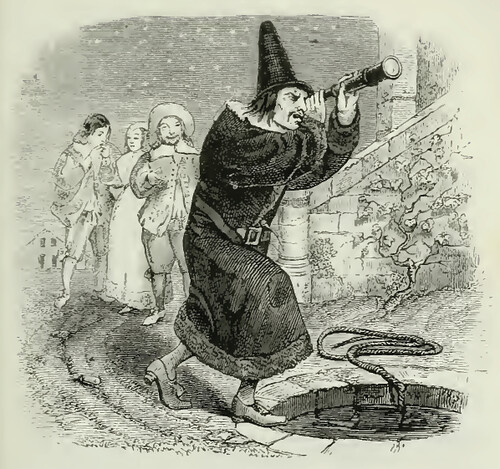
Omnia dum nimium servas, miser, omnia perdis,
Nec tua sunt, toties quae tua, Paule, vocas.

The vocabulary is keyed to the DCC Latin Vocabulary list. There are only two words in this poem not on the DCC list:

avārus, -a, -um: greedy, stingy; miser
totiēs: so many times, as often as

dum: while (+ indic.); until (+ subj.); provided that (+ subj.)
miser misera miserum: wretched, pitiable
neque nec: and not, nor; neque . . . neque, neither . . . nor
nimius -a -um: too much, excessive; nimis or nimium: excessively
omnis -e: all, every, as a whole
paulō paulum: to only a small extent, slightly, a little
perdō -dere -didī -ditum: destroy
qui quae quod: who, which, what / quis quid: who? what? which?
servō -āre: save, watch over
sum, esse, fuī: be, exist
tuus -a -um: your
vocō -āre: call


Friday, April 22, 2011

In Pseudomedicum

This is a poem by Thomas Campion (1567-1620):

In Pseudomedicum
Invento ex libro medicus qui creditur esse,
Fortunae, non is filius artis erat.

The vocabulary is keyed to the DCC Latin Vocabulary list. There are only two words in this poem not on the DCC list:

medicus (medicī, m.): physician, doctor
pseudomedicus (pseudomedicī, m.): fake doctor, quack

ars artis f.: skill
crēdō crēdere crēdidī crēditum: believe
ex ē: out of, from (+ abl.)
filia -ae f.; filius -ī m.: daughter; son
fortūna -ae f.: fortune
in: in, on (+ abl.); into, onto (+ acc)
inveniō -venīre -vēnī -ventum: find; discover
is ea id: he, she, it
liber librī m.: book
nōn: not
qui quae quod: who, which, what / quis quid: who? what? which?
sum, esse, fuī: be, exist


Iudicium Non Fugiendum

This is a poem by Benedictus Iovius (Benedetto Giovio, 1471-1545), which I found in the Sacra et satyrica epigrammata edited by Luigi Bigi Pittorius, published in 1518.

Iudicium Non Fugiendum
Iudicis examen fugerunt saepe scelesti,
Defuit at numquam pectore iudicium.


The vocabulary is keyed to the DCC Latin Vocabulary list. There are only two words in this poem not on the DCC list:

exāmen (exāminis, n.): weighing, examination
scelestus, -a, -um: wicked, criminal

at: but, but yet
dēsum -esse -fuī: be lacking
fugiō fugere fūgī fugitum: flee, escape
iūdex iūdicis m.: judge, juror
iūdicium -ī n.: judgement, decision, trial
numquam: never
pectus -oris n.: chest, breast
saepe: often


(image source)

Thursday, April 21, 2011

Blatta Libros Probet

This is from Johann Friedrich Bechmann's Epigrammata, published in 1671.

Blatta Libros Probet
Si terit atque probat nemo mea scripta, sat esto
Quando terit libros blatta probatque meos.

The vocabulary is keyed to the DCC Latin Vocabulary list. There are only two words in this poem not on the DCC list:

blatta (blattae, f.): moth
terō, terere: wear away, wear out

atque, ac: and in addition, and also, and; (after comparatives) than; simul atque, as soon as
liber librī m.: book
meus -a -um: my
nēmo: no one (gen. nullius, dat. nulli, abl. nullo or nulla > nullus -a -um)
probō -āre: approve, prove; convince one (dat.) of a thing (acc.)
quandō: when?; since; si quando: if ever
que (enclitic) - and
satis/sat: enough, sufficient
scrībō scrībere scrīpsī scrīptum: write
sī: if
sum, esse, fuī: be, exist


Quid Sum?

This is one of the riddles from Wilhelm Binder's Flores Aenigmatum Latinorum (1857).

Quid Sum?
Mater alit vivum, vivens mox devoro matrem;
Matre tamen morior commoriente simul.

The vocabulary is keyed to the DCC Latin Vocabulary list. There are only two words in this poem that are not on the DCC list:

commorior, commorī: die together with
dēvorō, dēvorāre: devour, gobble up

alō alere aluī alitum: nourish
flamma -ae f.: flame, fire
māter mātris f.: mother
morior morī mortuus sum: die
mox: soon
simul: at the same time
tamen: nevertheless, still
vīvō vīvere vīxī victum: live


Wednesday, April 20, 2011

Quid mihi reddat ager...

This is one of the riddles from Wilhelm Binder's Flores Aenigmatum Latinorum (1857).

Quis Sum?
Matre carens ego; necdum nata, parens tamen una
Sum cunctis: vitam do simul atque necem.

The vocabulary is keyed to the DCC Latin Vocabulary list. There are only two words in this poem that are not on the DCC list:

necdum: not yet
nex (necis, f.): death, murder

atque, ac: and in addition, and also, and; (after comparatives) than; simul atque, as soon as
careō -ēre -uī: lack (+ abl.)
cūnctus -a -um: entire all together
dō dare dedī datum: give
ego meī mihi mē: I, me
māter mātris f.: mother
nāscor nāscī nātus sum: be born
parēns -ntis m./f.: parent
simul: at the same time
sum, esse, fuī: be, exist
tamen: nevertheless, still
ūnus -a -um: one
vīta -ae f.: life

Quid Est?

This is one of the riddles from Wilhelm Binder's Flores Aenigmatum Latinorum (1857).

Quid Est?
Est aliquid, quod, si videas, sinis usque iacere,
Et, si non videas, sat scio, tollis humo.

The vocabulary is keyed to the DCC Latin Vocabulary list. There are only two words in this poem that are not on the DCC list:

nux (nucis, f.): nut
vitiōsus, -a, -um: faulty, bad, corrupt

aliquis -quae -quod: some, any; si quis, si quid: anyone who, anything that
et: and
humus -ī f.: ground; humī: on the ground
iaceō iacēre iacuī: lie
nōn: not
qui quae quod: who, which, what / quis quid: who? what? which?
satis/sat: enough, sufficient
sciō -īre -īvī/-iī -ītum: know
sī: if
sinō sinere sīvī situm: allow, let go
sum, esse, fuī: be, exist
tollō tollere sustulī sublātum: raise up, destroy
ūsque: up to; continuously
videō vidēre vīdī vīsum: see


Tuesday, April 19, 2011

Quis Est?

This is one of the riddles from Wilhelm Binder's Flores Aenigmatum Latinorum (1857).

Quis Est?
Dic mihi, quis quartam totius perdidit orbis
Partem? Cuius erat tam scelerata manus ?

The vocabulary is keyed to the DCC Latin Vocabulary list. There are only two words in this poem that are not on the DCC list:

quartus, -a, -um: fourth
scelerātus, -a, -um: criminal, wicked

dīcō dīcere dīxī dictum: say; causam dicere, plead a case; diem dicere, appoint a day
ego meī mihi mē: I, me
manus -ūs m.: hand; band of men
orbis -is m.: circle; orbis terrārum: world
pars partis f.: part
perdō -dere -didī -ditum: destroy
qui quae quod: who, which, what / quis quid: who? what? which?
sum, esse, fuī: be, exist
tam: so
tōtus -a -um: whole, entire


Aenigma: Quid Sum?

This is one of the riddles from Wilhelm Binder's Flores Aenigmatum Latinorum (1857).

Aenigma: Quid Sum?
Omnia consumo, foveo simul omnia; rerum
Causa fui, rerum mox quoque finis ero.

The vocabulary is keyed to the DCC Latin Vocabulary list. There are only two words in this poem that are not on the DCC list:

aenigma (aenigmatis, n.): riddle, enigma
foveō, fovēre: keep warm, foster, favor

causa -ae f.: cause, reason
cōnsūmō -sūmere -sūmpsī -sūmptum: to use up, consume
fīnis -is m.: end, boundary
īgnis -is m.: fire
mox: soon
omnis -e: all, every, as a whole
quoque: also, too
rēs reī f.: thing (rēs pūblica, commonwealth; rēs familiāris, family property, estate; rēs mīlitāris, art of war; rēs novae, revolution)
simul: at the same time
sum, esse, fuī: be, exist


Monday, April 18, 2011

Quid Sum?

This is one of the riddles from Wilhelm Binder's Flores Aenigmatum Latinorum (1857).

Quid Sum?
Destituor pedibus; vox est mihi nulla; remotos
Ire tamen cogor, dictaque ferre locos.

The vocabulary is keyed to the DCC Latin Vocabulary list. There are only two words in this poem that are not on the DCC list:

dēstituō, dēstituere: forsake, rob, defraud
remōtus, -a, -um: removed, remote, distant

cōgō cōgere coēgī coāctum: drive together; compel
dīcō dīcere dīxī dictum: say; causam dicere, plead a case; diem dicere, appoint a day
ego meī mihi mē: I, me
eo īre iī/īvī itum: go
epistula -ae f.: letter
ferō ferre tulī lātum: bear, carry
locus -ī m.: place; loca (n. pl.) region
nūllus -a -um: not any, no one
pēs pedis m.: foot
que (enclitic) - and
sum, esse, fuī: be, exist
tamen: nevertheless, still
vōx vōcis f.: voice, utterance

Quid Sum?

This is one of the riddles from Wilhelm Binder's Flores Aenigmatum Latinorum (1857): LVX.

Quid Sum?
Filia sum solis, quae sum cum sole creata;
Sum decies quinque, sum quinque, decemque vocata.

The vocabulary is keyed to the DCC Latin Vocabulary list. There are only two words in this poem that are not on the DCC list:

deciēs: ten times
quinque: five

creō -āre: produce, create; elect, choose
cum: with (prep. + abl.); when, since, although (conjunction + subj.)
decem: ten
filia -ae f.; filius -ī m.: daughter; son
lūx lūcis f.: light of day
que (enclitic) - and
qui quae quod: who, which, what / quis quid: who? what? which?
sōl sōlis m.: sun
sum, esse, fuī: be, exist
vocō -āre: call

Sunday, April 17, 2011

Carmen Non Longum

This little poem comes from Disticha de Educatione of Urbano Appendini, published in 1834; you can see the whole book at Google Books.

Carmen Non Longum
Altius in nostris defixum mentibus haeret
Quidquid non longo carmine praecipitur.

The vocabulary is keyed to the DCC Latin Vocabulary list. There is only one word in this poem that is not on the DCC list:

dēfixus, -a, -um: stuck, attached, fastened
haereō, haerēre: stick, cling to

altus -a -um: high, lofty; deep
carmen -inis n.: song
in: in, on (+ abl.); into, onto (+ acc)
longus -a -um: long, far; longē: far, far off
mēns mentis f.: mind
nōn: not
noster nostra nostrum: our
praecipiō -cipere -cēpī -ceptum: anticipate, advise, warn
quisquis quidquid: whoever, whichever

Samson

This little poem comes from Disticha de Educatione of Urbano Appendini, published in 1834; you can see the whole book at Google Books.

Samson
Vincere quem numquam potuerunt multa virorum
Millia, Samsonem vicit inermis amor.

The vocabulary is keyed to the DCC Latin Vocabulary list. There is only one word in this poem that is not on the DCC list:

inermis, -e (inermis): unarmed, without weapons
Samson (Samsōnis, m.): Samson, Biblical hero

amor -ōris m.: love
mille (pl.) milia: thousand
multus -a -um: much, many; multō, by far
numquam: never
possum posse potuī: be able
qui quae quod: who, which, what / quis quid: who? what? which?
vincō vincere vīcī victum: conquer
vir virī m.: man

Deum Mente Quaero

This little poem comes from Disticha de Educatione of Urbano Appendini, published in 1834; you can see the whole book at Google Books.

Deum Mente Quaero
Pelle procul tenebras, et, lumina dia inhiantem,
Fac me unum ardenti quaerere mente deum!

The vocabulary is keyed to the DCC Latin Vocabulary list. There is only one word in this poem that is not on the DCC list:

dius, -a, -um: divine, belonging to god
inhiō, inhiāre: gape, gaze at eagerly

ārdeo ārdēre ārsī ārsum: blaze, glow; be eager
deus -ī m.; dea -ae f. god; goddess
ego meī mihi mē: I, me
et: and
faciō facere fēcī factum: do, make
lūmen luminis n.: light
mēns mentis f.: mind
pellō pellere pepulī pulsum: strike, beat, push, drive
procul: at a distance
quaerō -rere -sīvī-situm: seek, inquire
tenebrae -brārum f. pl.: darkness, the shadows
ūnus -a -um: one


Tuus Vivus et Mortuus

This little poem comes from Disticha de Educatione of Urbano Appendini, published in 1834; you can see the whole book at Google Books.

Tuus Vivus et Mortuus
Me tibi devoveo; votis atque omnibus opto
Esse tuus vivus, mortuus esse tuus.

The vocabulary is keyed to the DCC Latin Vocabulary list. There is only one word in this poem that is not on the DCC list:

dēvoveō, dēvovēre: devote, consecrate
vīvus, -a, -um: living, alive

atque, ac: and in addition, and also, and; (after comparatives) than; simul atque, as soon as
ego meī mihi mē: I, me
morior morī mortuus sum: die
omnis -e: all, every, as a whole
optō -āre: choose, select
sum, esse, fuī: be, exist
tū tuī tibi tē: you (sing.)
tuus -a -um: your
votum -ī n.: solemn promise, vow; hope


Saturday, April 16, 2011

Dei Vestigia

This little poem comes from Disticha de Educatione of Urbano Appendini, published in 1834; you can see the whole book at Google Books.

Dei Vestigia
Certa dei in rebus qui non vestigia cernit,
Flammiferam solis non videt ille rotam.

The vocabulary is keyed to the DCC Latin Vocabulary list. There is only one word in this poem that is not on the DCC list:

flammifer, flammifera, flammiferum: burning, fiery
rota (rotae, f.): wheel

cernō cernere crēvī crētum: discern, separate
certus -a -um: sure, fixed; certē, certainly, surely
deus -ī m.; dea -ae f. god; goddess
ille illa illud: that
in: in, on (+ abl.); into, onto (+ acc)
nōn: not
qui quae quod: who, which, what / quis quid: who? what? which?
rēs reī f.: thing (rēs pūblica, commonwealth; rēs familiāris, family property, estate; rēs mīlitāris, art of war; rēs novae, revolution)
sōl sōlis m.: sun
vēstīgium -ī n.: footstep, footprint, track
videō vidēre vīdī vīsum: see

Rus Beatum

This little poem comes from Disticha de Educatione of Urbano Appendini, published in 1834; you can see the whole book at Google Books.

Rus Beatum
Cum fas, egrediens populosae e moenibus urbis,
Curas pone omnes, rura beata pete.

The vocabulary is keyed to the DCC Latin Vocabulary list. There is only one word in this poem that is not on the DCC list:

fas: divine command, that which is allowed
populōsus, -a, -um: full of people, populous

beatus -a -um: happy, blessed, prosperous, fortunate
cum: with (prep. + abl.); when, since, although (conjunction + subj.)
cūra -ae f.: care, concern
ēgredior ēgredī ēgressus sum: stride out, depart, disembark (+ abl.)
ex ē: out of, from (+ abl.)
moenia -ium n. pl.: walls, fortifications
omnis -e: all, every, as a whole
petō petere petīvī petītum: seek, aim at
pōnō pōnere posuī positum: put, place; put aside
rūs rūris n.: country
urbs urbis f.: city


Friday, April 15, 2011

Ubi Domus

This little poem comes from Disticha de Educatione of Urbano Appendini, published in 1834; you can see the whole book at Google Books.

Ubi Domus
Non temere statuenda domus; tibi dilige sedem,
Laetus ubi possis vivere et incolumis.

The vocabulary is keyed to the DCC Latin Vocabulary list. There is only one word in this poem that is not on the DCC list:

incolumis, -e (incolumis): uninjured, safe
temerē: recklessly, rashly

dīligō -ligere -lēxī -lēctum: choose, cherish, love
domus -ūs f.: house, home
et: and
laetus -a -um: glad, joyful
nōn: not
possum posse potuī: be able
sēdēs -is m.: seat, abode, habitation
statuō -ere -uī -ūtum: set up, determine
tū tuī tibi tē: you (sing.)
ubi: where, when
vīvō vīvere vīxī victum: live

Divitiae Gaudia Numquam Dant

This little poem comes from Disticha de Educatione of Urbano Appendini, published in 1834; you can see the whole book at Google Books.

Divitiae Gaudia Numquam Dant
Ante dabunt silvae rhombos atque aequor turdos,
Quam dent vera tibi gaudia divitiae.

The vocabulary is keyed to the DCC Latin Vocabulary list. There is only one word in this poem that is not on the DCC list:

rhombus (rhombī, m.): turbot (fish)
turdus (turdī, m.): thrush (bird)

aequor aequoris n.: level surface, sea, plain
ante: before, in front of (adv. and prep. + acc.)
atque, ac: and in addition, and also, and; (after comparatives) than; simul atque, as soon as
dīvitiae -ārum f. pl.: riches, wealth
dō dare dedī datum: give
gaudium -ī n.: delight, joy, pleasure
numquam: never
quam: how?; (after comparative) than
silva -ae f.: forest, grove
tū tuī tibi tē: you (sing.)
vērus -a -um: true; vērē, truly

Thursday, April 14, 2011

Hoc Tibi Gratulor

This little poem comes from Disticha de Educatione of Urbano Appendini, published in 1834; you can see the whole book at Google Books.

Hoc Tibi Gratulor
Non quod sis dives tibi gratulor, at quod egentes
Divitiis valeas ipse iuvare tuis.

The vocabulary is keyed to the DCC Latin Vocabulary list. There is only one word in this poem that is not on the DCC list:

egeō, egēre: lack, be without, need
grātulor, grātulārī: congratulate

at: but, but yet
dīves, dīvitis: rich (poet. dīs, dītis)
dīvitiae -ārum f. pl.: riches, wealth
ipse ipsa ipsum: him- her- itself
iuvō iuvāre iūvī iūtum: help, assist; please, delight
nōn: not
qui quae quod: who, which, what / quis quid: who? what? which?
sum, esse, fuī: be, exist
tū tuī tibi tē: you (sing.)
tuus -a -um: your
valeō valēre valuī: be strong, excel, be valid, prevail; valē: farewell!

Multos Locutos Esse Paenituit

This little poem comes from Disticha de Educatione of Urbano Appendini, published in 1834; you can see the whole book at Google Books.

Multos Locutos Esse Paenituit
Sunt multi, quos paenituit persaepe locutos;
Nemo, paenituit quem tacuisse, fuit.

The vocabulary is keyed to the DCC Latin Vocabulary list. There is only one word in this poem that is not on the DCC list:

paeniteō, paenitēre, paenituī: displease, make sorry
persaepe: very often

loquor loquī locūtus sum: speak, talk
multus -a -um: much, many; multō, by far
nēmo: no one (gen. nullius, dat. nulli, abl. nullo or nulla > nullus -a -um)
qui quae quod: who, which, what / quis quid: who? what? which?
sum, esse, fuī: be, exist
taceō -ēre -uī -itum: be silent; tacitus -a -um, silent


Wednesday, April 13, 2011

Usque Loqui

This little poem comes from Disticha de Educatione of Urbano Appendini, published in 1834; you can see the whole book at Google Books.

Usque Loqui
Desipit, in coetu si quis solet usque tacere;
Desipit ille magis, qui solet usque loqui.

The vocabulary is keyed to the DCC Latin Vocabulary list. There is only one word in this poem that is not on the DCC list:

coetus (coetūs, m.): gathering, crowd, society
dēsipiō, dēsipere: be foolish, play the fool

aliquis -quae -quod: some, any; si quis, si quid: anyone who, anything that
ille illa illud: that
in: in, on (+ abl.); into, onto (+ acc)
loquor loquī locūtus sum: speak, talk
magis: more
qui quae quod: who, which, what / quis quid: who? what? which?
sī: if
soleō -ēre -uī -itum: be accustomed
taceō -ēre -uī -itum: be silent; tacitus -a -um, silent
ūsque: up to; continuously


Aliis Veri Aperire Vias

This little poem comes from Disticha de Educatione of Urbano Appendini, published in 1834; you can see the whole book at Google Books.

Aliis Veri Aperire Vias
Notitias pulchrum est rerum acquisisse novarum;
Pulchrum etiam est aliis veri aperire vias.

The vocabulary is keyed to the DCC Latin Vocabulary list. There is only one word in this poem that is not on the DCC list:

acquīrō, acquīrere, acquīsīvī: acquire, obtain
nōtitia (nōtitiae, f.): knowledge, notice, fame

alius -a -um: other, another; alias: at another time
aperiō aperīre aperuī apertum: open
etiam: also, even
novus -a -um: new
pulcher -chra -chrum: beautiful
rēs reī f.: thing (rēs pūblica, commonwealth; rēs familiāris, family property, estate; rēs mīlitāris, art of war; rēs novae, revolution)
sum, esse, fuī: be, exist
vērus -a -um: true; vērē, truly
via -ae f.: way, street


Tuesday, April 12, 2011

Vir Doctus

This little poem comes from Disticha de Educatione of Urbano Appendini, published in 1834; you can see the whole book at Google Books.

Vir Doctus
Ignaris tantum vir doctus praestat honore,
Quantum atris praestat candida lux tenebris.

The vocabulary is keyed to the DCC Latin Vocabulary list. There is only one word in this poem that is not on the DCC list:

āter, ātra, ātrum: dark, black, gloomy
ignārus, -a, -um: ignorant, senseless, stupid

candidus -a -um: white, fair
doceō -ēre -uī doctum: teach
honor -ōris m.: honor, glory; office, post
lūx lūcis f.: light of day
praestō -stāre -stitī -stitum: excel, exhibit
quantus -a -um: (interr.) how great? (rel.) of what size, amount, etc.
tantus -a -um: so great, so much; tantum: only
tenebrae -brārum f. pl.: darkness, the shadows
vir virī m.: man


Qui sapit in multis...

This little poem comes from Disticha de Educatione of Urbano Appendini, published in 1834; you can see the whole book at Google Books.

Bene Morati
Quid bene morati faciant, adverte, sciesque
A quibus abstineas, quae placiturus agas.

The vocabulary is keyed to the DCC Latin Vocabulary list. There is only one word in this poem that is not on the DCC list:

abstineō, abstinēre: keep away from, avoid
mōrātus, -a, -um: civilized, refined, kind

ā ab abs: from, by (+abl.)
advertō -vertere -vertī -versum: turn towards
agō agere ēgī āctum: drive, do, act
bene: well
faciō facere fēcī factum: do, make
placeō placēre placuī placitum: please
que (enclitic) - and
qui quae quod: who, which, what / quis quid: who? what? which?
sciō -īre -īvī/-iī -ītum: know


Monday, April 11, 2011

Amarities

This little poem comes from Disticha de Educatione of Urbano Appendini, published in 1834; you can see the whole book at Google Books.

Amarities
Dum puerorum aetas sibi tantum dulcia poscit,
Magnam incauta sibi quaerit amaritiem.

The vocabulary is keyed to the DCC Latin Vocabulary list. There is only one word in this poem that is not on the DCC list:

amārities (amaritiēi, f.): bitterness
incautus, -a, -um: heedless, reckless

aetās -tātis f.: age, time of life
dulcis -e: sweet
dum: while (+ indic.); until (+ subj.); provided that (+ subj.)
māgnus -a -um great
pōscō pōscere popōscī: demand, claim; inquire into
puer puerī m.: boy; slave
quaerō -rere -sīvī-situm: seek, inquire
sui, sibi, sē: him- her- itself
tantus -a -um: so great, so much; tantum: only

Astra et Animus

This little poem comes from Disticha de Educatione of Urbano Appendini, published in 1834; you can see the whole book at Google Books.

Astra et Animus
Quid iuvat astrorum certos inquirere motus,
Ni motus animi noveris ante tui?

The vocabulary is keyed to the DCC Latin Vocabulary list. There is only one word in this poem that is not on the DCC list:

inquīrō, inquīrere: seek after, search for, inquire
mōtus (mōtūs, m.): moving, motion, movement

animus -ī m.: spirit, mind
ante: before, in front of (adv. and prep. + acc.)
astrum -ī n.: star; constellation
certus -a -um: sure, fixed; certē, certainly, surely
iuvō iuvāre iūvī iūtum: help, assist; please, delight
nisi/nī: if not, unless
nōscō nōscere nōvī nōtum: learn, know
qui quae quod: who, which, what / quis quid: who? what? which?
tuus -a -um: your

Sunday, April 10, 2011

Conviva Gratus

This little poem comes from Disticha de Educatione of Urbano Appendini, published in 1834; you can see the whole book at Google Books.

Conviva Gratus
Qui multos populos, multas inspexit et urbes,
Inter convivas hic mihi gratus erit.

The vocabulary is keyed to the DCC Latin Vocabulary list. There is only one word in this poem that is not on the DCC list:

convīva (convīvae, c.): table companion, fellow diner
inspiciō, inspiciere, inspexī: examine, inspect, look at

ego meī mihi mē: I, me
et: and
grātus -a -um: pleasant; grateful
hic haec hoc: this; hōc: on this account
inter: between, among; during (+ acc.)
multus -a -um: much, many; multō, by far
populus -ī m.: people
qui quae quod: who, which, what / quis quid: who? what? which?
sum, esse, fuī: be, exist
urbs urbis f.: city


Natura Magistra

This little poem comes from Disticha de Educatione of Urbano Appendini, published in 1834; you can see the whole book at Google Books.

Natura Magistra
Quidquid agis, tibi naturam propone magistram;
Hanc sequere, hanc cura, gnarus ut assimiles.

The vocabulary is keyed to the DCC Latin Vocabulary list. There is only one word in this poem that is not on the DCC list:

assimilō, assimilāre: make similar, imitate
gnārus, -a, -um: knowledgeable, skilled, expert

agō agere ēgī āctum: drive, do, act
cūrō -āre: care for (+ acc.)
hic haec hoc: this; hōc: on this account
magister, magistrī m.: master, chief
nātūra -ae f.: nature
prōpōnō -pōnere -posuī -positum: put forth, propose, present
quisquis quidquid: whoever, whichever
sequor sequī secūtus sum: follow
tū tuī tibi tē: you (sing.)
ut, uti: as (+ indic.); so that, with the result that (+ subj.)

Pocula Parce Sume

This little poem comes from Disticha de Educatione of Urbano Appendini, published in 1834; you can see the whole book at Google Books.

Pocula Parce Sume
Nil quidquam ratione homini praestantius; illam
Pocula, ni parce sumpseris, eripiunt.

The vocabulary is keyed to the DCC Latin Vocabulary list. There is only one word in this poem that is not on the DCC list:

parcus, -a, -um: sparing, frugal; adv. parce
poculum (poculī, n.): drinking cup

ēripiō -ripere -ripuī -reptum: snatch away, rescue, save
homo hominis m.: human being
ille illa illud: that
nihil, nīl: nothing; not at all
nisi/nī: if not, unless
praestō -stāre -stitī -stitum: excel, exhibit
quis- quicquam/quidquam: any (single) person, anyone at all
ratio -ōnis f.: method, plan, reason
sūmō sūmere sūmpsī sūmptum: take up


Vires Viribus Adde

This little poem comes from Disticha de Educatione of Urbano Appendini, published in 1834; you can see the whole book at Google Books.

Vires Viribus Adde
Ceu duri maneant in sera aetate labores,
Nunc vires iuvenis viribus adde novas.

The vocabulary is keyed to the DCC Latin Vocabulary list. There is only one word in this poem that is not on the DCC list:

ceu: as, like, just as
sērus, -a, -um: late, slow

addō -dere -didī -ditum: give to
aetās -tātis f.: age, time of life
dūrus -a -um: hard, tough, harsh
in: in, on (+ abl.); into, onto (+ acc)
iuvenis -is m.: youth
labor -ōris m.: toil, exertion
maneō manēre mānsī mānsum: remain
novus -a -um: new
nunc: now
vīs f.: force; (acc.) vim, (abl.) vī; (pl.) vīrēs, strength

Corpus Infirmum

This little poem comes from Disticha de Educatione of Urbano Appendini, published in 1834; you can see the whole book at Google Books.

Corpus Infirmum
Quid res ampla iuvat, quid mens exculta, quid aevum
Longius, infirmum si tibi corpus erit?

The vocabulary is keyed to the DCC Latin Vocabulary list. There is only one word in this poem that is not on the DCC list:

excultus, -a, -um: cultivated, perfected
infirmus , -a, -um: not strong, weak, feeble

aevum -i n.: eternity; lifetime, age
amplus -a -um: large, spacious
corpus corporis n.: body
iuvō iuvāre iūvī iūtum: help, assist; please, delight
longus -a -um: long, far; longē: far, far off
mēns mentis f.: mind
qui quae quod: who, which, what / quis quid: who? what? which?
rēs reī f.: thing (rēs pūblica, commonwealth; rēs familiāris, family property, estate; rēs mīlitāris, art of war; rēs novae, revolution)
sī: if
sum, esse, fuī: be, exist
tū tuī tibi tē: you (sing.)


Nil Iratus Facies


677     -     678     -     679


Nil Iratus Facies
Nil umquam iratus facies; de litore nemo
Solvit, nimbosus cum freta ventus agit.


This little poem comes from Disticha de Educatione of Urbano Appendini, published in 1834; you can see the whole book at Google Books.

Don't ever do anything (nil umquam facies) when you are angry (iratus); no one sets sail (nemo solvit) from shore (de litore) when the stormy wind (cum nimbosus ventus) stirs the straits (freta agit).

The vocabulary is keyed to the DCC Latin Vocabulary list. There is only one word in this poem that is not on the DCC list:

fretum (fretī, n.): sea, strait
nimbōsus, -a, -um: full of clouds, cloudy

agō agere ēgī āctum: drive, do, act
cum: with (prep. + abl.); when, since, although (conjunction + subj.)
dē: down from, about, concerning (+ abl.)
faciō facere fēcī factum: do, make
īrāscor īrāscī irātus sum: grow angry; īrātus -a -um: angry
lītus -oris n.: shore
nēmo: no one (gen. nullius, dat. nulli, abl. nullo or nulla > nullus -a -um)
nihil, nīl: nothing; not at all
solvō solvere solvī solūtum: release, set sail
umquam: ever
ventus -ī m.: wind


Ut Ira Desinet

This little poem comes from Disticha de Educatione of Urbano Appendini, published in 1834; you can see the whole book at Google Books.

Ut Ira Desinet
Irato responsa viro da mollia et, omnis
Si vis extemplo desinat ira, tace.

The vocabulary is keyed to the DCC Latin Vocabulary list. There is only one word in this poem that is not on the DCC list:

extemplō: immediately, quickly
rēsponsum (rēsponsī, n.): answer, reply

dēsinō -sinere -sīvī -situm: leave off, cease
dō dare dedī datum: give
et: and
īra irae f.: wrath, anger
īrāscor īrāscī irātus sum: grow angry; īrātus -a -um: angry
mollis -e: soft, yielding, gentle
omnis -e: all, every, as a whole
sī: if
taceō -ēre -uī -itum: be silent; tacitus -a -um, silent
vir virī m.: man
volō velle voluī: wish, be willing


Irae Caligo

This little poem comes from Disticha de Educatione of Urbano Appendini, published in 1834; you can see the whole book at Google Books.

Irae Caligo
Ut nil clare oculi densa in caligine cernunt,
Sic nil recte animus, dum rapit ira, facit.

The vocabulary is keyed to the DCC Latin Vocabulary list. There is only one word in this poem that is not on the DCC list:

cālīgo (cālīginis, f.): mist, fog, darkness
densus, -a, -um: thick, dense, solid

animus -ī m.: spirit, mind
cernō cernere crēvī crētum: discern, separate
clārus -a -um: clear, distinguished
dum: while (+ indic.); until (+ subj.); provided that (+ subj.)
faciō facere fēcī factum: do, make
in: in, on (+ abl.); into, onto (+ acc)
īra irae f.: wrath, anger
nihil, nīl: nothing; not at all
oculus -ī m.: eye
rapiō rapere rapuī raptum: seize, tear away
rectus -a -um: straight, direct
sīc: in this manner, thus; sīc . . . ut: in the same way as
ut, uti: as (+ indic.); so that, with the result that (+ subj.)

Nomen Bonum

This little poem comes from Disticha de Educatione of Urbano Appendini, published in 1834; you can see the whole book at Google Books.

Nomen Bonum
Divitias alii exoptent titulosque superbos;
Satque superque mihi nomen habere bonum.

The vocabulary is keyed to the DCC Latin Vocabulary list. There is only one word in this poem that is not on the DCC list:

exoptō, exoptāre: desire greatly, long for
titulus (tituli, m.): title, label, claim to fame

alius -a -um: other, another; alias: at another time
bonus -a -um: good
dīvitiae -ārum f. pl.: riches, wealth
ego meī mihi mē: I, me
habeō habēre habuī habitum: have, hold
nōmen -inis n.: name
que (enclitic) - and
satis/sat: enough, sufficient
super: over (adv. and prep. +acc.)
superbus -a -um: overbearing, proud, haughty

Quid Dicant Alii

This little poem comes from Disticha de Educatione of Urbano Appendini, published in 1834; you can see the whole book at Google Books.

Quid Dicant Alii
De te quid dicant alii, ne scire labores;
Quod mox displiceat
, quaerere stultitia est.

The vocabulary is keyed to the DCC Latin Vocabulary list. There is only one word in this poem that is not on the DCC list:

displiceō, displicēre: displease, dissatisfy
stultitia (stultitiae, f.): foolishness, folly, stupidity

alius -a -um: other, another; alias: at another time
dē: down from, about, concerning (+ abl.)
dīcō dīcere dīxī dictum: say; causam dicere, plead a case; diem dicere, appoint a day
fāma -ae f.: rumor, fame
labōrō -āre: toil, work; be in trouble
mox: soon
nē: lest, that not
quaerō -rere -sīvī-situm: seek, inquire
qui quae quod: who, which, what / quis quid: who? what? which?
sciō -īre -īvī/-iī -ītum: know
sum, esse, fuī: be, exist
tū tuī tibi tē: you (sing.)