Showing posts with label Binder. Show all posts

Monday, July 16, 2012

Roma-Amor


461     -     462     -     463


This is one of the riddles from Wilhelm Binder's Flores Aenigmatum Latinorum (1857).

ROMA-AMOR
Terra meum imperium per plurima saecla ferebat;
Si me convertis, fert iuga mundus adhuc.


The vocabulary is keyed to the DCC Latin Vocabulary list. There is only one word in this poem that is not on the DCC list, and it is the key word of the poem: ROMA, which is AMOR (love) spelled backwards.

The earth (terra) endured my rule (ferebat meum imperium) for many centuries (per plurima saecla); if you flip me around (si me convertis), the world (mundus) still bears my yoke (adhuc fert iuga).

Rōma (Rōmae, f.): Rome

adhūc: thus far, to this point
amor -ōris m.: love
convertō -vertere -vertī -versum: turn about, turn, change
ego meī mihi mē: I, me
ferō ferre tulī lātum: bear, carry
imperium -ī n.: command, power
iugum -ī n.: yoke; ridge, chain of hills
meus -a -um: my
mundus -ī m.: world, universe, heavens
per: through (+acc.)
plurimus -a -um: the greatest number of, very many; plurimī, most people
saeculum -ī n.: generation, age, century
sī: if
terra -ae f.: land



Thursday, April 21, 2011

Quid Sum?

This is one of the riddles from Wilhelm Binder's Flores Aenigmatum Latinorum (1857).

Quid Sum?
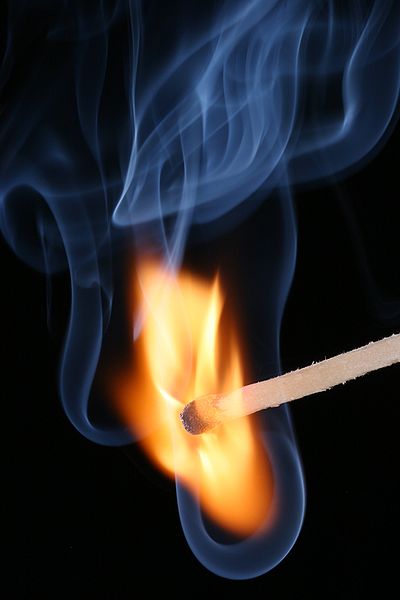
Mater alit vivum, vivens mox devoro matrem;
Matre tamen morior commoriente simul.

The vocabulary is keyed to the DCC Latin Vocabulary list. There are only two words in this poem that are not on the DCC list:

commorior, commorī: die together with
dēvorō, dēvorāre: devour, gobble up

alō alere aluī alitum: nourish
flamma -ae f.: flame, fire
māter mātris f.: mother
morior morī mortuus sum: die
mox: soon
simul: at the same time
tamen: nevertheless, still
vīvō vīvere vīxī victum: live


Wednesday, April 20, 2011

Quid mihi reddat ager...

This is one of the riddles from Wilhelm Binder's Flores Aenigmatum Latinorum (1857).

Quis Sum?
Matre carens ego; necdum nata, parens tamen una
Sum cunctis: vitam do simul atque necem.

The vocabulary is keyed to the DCC Latin Vocabulary list. There are only two words in this poem that are not on the DCC list:

necdum: not yet
nex (necis, f.): death, murder

atque, ac: and in addition, and also, and; (after comparatives) than; simul atque, as soon as
careō -ēre -uī: lack (+ abl.)
cūnctus -a -um: entire all together
dō dare dedī datum: give
ego meī mihi mē: I, me
māter mātris f.: mother
nāscor nāscī nātus sum: be born
parēns -ntis m./f.: parent
simul: at the same time
sum, esse, fuī: be, exist
tamen: nevertheless, still
ūnus -a -um: one
vīta -ae f.: life

Quid Est?

This is one of the riddles from Wilhelm Binder's Flores Aenigmatum Latinorum (1857).

Quid Est?
Est aliquid, quod, si videas, sinis usque iacere,
Et, si non videas, sat scio, tollis humo.

The vocabulary is keyed to the DCC Latin Vocabulary list. There are only two words in this poem that are not on the DCC list:

nux (nucis, f.): nut
vitiōsus, -a, -um: faulty, bad, corrupt

aliquis -quae -quod: some, any; si quis, si quid: anyone who, anything that
et: and
humus -ī f.: ground; humī: on the ground
iaceō iacēre iacuī: lie
nōn: not
qui quae quod: who, which, what / quis quid: who? what? which?
satis/sat: enough, sufficient
sciō -īre -īvī/-iī -ītum: know
sī: if
sinō sinere sīvī situm: allow, let go
sum, esse, fuī: be, exist
tollō tollere sustulī sublātum: raise up, destroy
ūsque: up to; continuously
videō vidēre vīdī vīsum: see


Tuesday, April 19, 2011

Quis Est?

This is one of the riddles from Wilhelm Binder's Flores Aenigmatum Latinorum (1857).

Quis Est?
Dic mihi, quis quartam totius perdidit orbis
Partem? Cuius erat tam scelerata manus ?

The vocabulary is keyed to the DCC Latin Vocabulary list. There are only two words in this poem that are not on the DCC list:

quartus, -a, -um: fourth
scelerātus, -a, -um: criminal, wicked

dīcō dīcere dīxī dictum: say; causam dicere, plead a case; diem dicere, appoint a day
ego meī mihi mē: I, me
manus -ūs m.: hand; band of men
orbis -is m.: circle; orbis terrārum: world
pars partis f.: part
perdō -dere -didī -ditum: destroy
qui quae quod: who, which, what / quis quid: who? what? which?
sum, esse, fuī: be, exist
tam: so
tōtus -a -um: whole, entire


Aenigma: Quid Sum?

This is one of the riddles from Wilhelm Binder's Flores Aenigmatum Latinorum (1857).

Aenigma: Quid Sum?
Omnia consumo, foveo simul omnia; rerum
Causa fui, rerum mox quoque finis ero.

The vocabulary is keyed to the DCC Latin Vocabulary list. There are only two words in this poem that are not on the DCC list:

aenigma (aenigmatis, n.): riddle, enigma
foveō, fovēre: keep warm, foster, favor

causa -ae f.: cause, reason
cōnsūmō -sūmere -sūmpsī -sūmptum: to use up, consume
fīnis -is m.: end, boundary
īgnis -is m.: fire
mox: soon
omnis -e: all, every, as a whole
quoque: also, too
rēs reī f.: thing (rēs pūblica, commonwealth; rēs familiāris, family property, estate; rēs mīlitāris, art of war; rēs novae, revolution)
simul: at the same time
sum, esse, fuī: be, exist


Monday, April 18, 2011

Quid Sum?

This is one of the riddles from Wilhelm Binder's Flores Aenigmatum Latinorum (1857).

Quid Sum?
Destituor pedibus; vox est mihi nulla; remotos
Ire tamen cogor, dictaque ferre locos.

The vocabulary is keyed to the DCC Latin Vocabulary list. There are only two words in this poem that are not on the DCC list:

dēstituō, dēstituere: forsake, rob, defraud
remōtus, -a, -um: removed, remote, distant

cōgō cōgere coēgī coāctum: drive together; compel
dīcō dīcere dīxī dictum: say; causam dicere, plead a case; diem dicere, appoint a day
ego meī mihi mē: I, me
eo īre iī/īvī itum: go
epistula -ae f.: letter
ferō ferre tulī lātum: bear, carry
locus -ī m.: place; loca (n. pl.) region
nūllus -a -um: not any, no one
pēs pedis m.: foot
que (enclitic) - and
sum, esse, fuī: be, exist
tamen: nevertheless, still
vōx vōcis f.: voice, utterance

Quid Sum?

This is one of the riddles from Wilhelm Binder's Flores Aenigmatum Latinorum (1857): LVX.

Quid Sum?
Filia sum solis, quae sum cum sole creata;
Sum decies quinque, sum quinque, decemque vocata.

The vocabulary is keyed to the DCC Latin Vocabulary list. There are only two words in this poem that are not on the DCC list:

deciēs: ten times
quinque: five

creō -āre: produce, create; elect, choose
cum: with (prep. + abl.); when, since, although (conjunction + subj.)
decem: ten
filia -ae f.; filius -ī m.: daughter; son
lūx lūcis f.: light of day
que (enclitic) - and
qui quae quod: who, which, what / quis quid: who? what? which?
sōl sōlis m.: sun
sum, esse, fuī: be, exist
vocō -āre: call